Report: Arrest campaigns in Ahwaz… a systematic policy to suppress identity and protest
Over decades, the arrest campaigns carried out by Iranian authorities in Arab Ahwaz have constituted one of the most prominent tools of security control, within a broader context of political tensions and mutual accusations regarding ethnic discrimination and human rights violations.
Reports by international organizations, such as Amnesty International and Human Rights Watch, reveal a recurring pattern of mass arrests primarily targeting Arab activists, amid allegations that the judiciary is being used as a tool to suppress dissent.
Historically, these campaigns date back several decades. However, the pace of arrests has escalated significantly since the early 2000s, particularly following the 2005 protests that erupted in response to leaked information about demographic policies.
According to human rights reports, hundreds were arrested, and some were subjected to expedited trials that fell short of international standards.
From a statistical perspective, cross-referenced data issued by human rights organizations, including the Ahwazi Organization for Human Rights, indicate a marked increase in arrest waves over the past decade.
During the 2011 protests, at least 200 individuals were detained, while the number rose sharply in 2018, when more than 600 citizens were arrested following widespread protests across Ahwazi cities. Subsequent reports have also documented the arrest of thousands annually in separate campaigns, particularly after any protest activity or security tensions.
Unofficial estimates suggest that thousands of Ahwazis have experienced detention in recent years, in the absence of official transparency regarding the true figures.
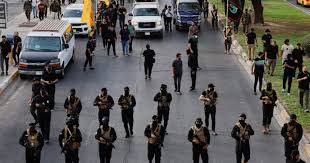
Concrete examples underscore this pattern. In the aftermath of an armed attack targeting a military parade in the city of Ahwaz in 2018, authorities launched a sweeping arrest campaign that affected thousands of individuals within weeks, according to human rights sources.
In many of these cases, reports have indicated the occurrence of violations, including torture during detention, the extraction of forced confessions, and the implementation of death sentences against some defendants following trials described as unfair.
Cases of deaths in custody due to medical neglect or ill-treatment have also been documented, prompting repeated international criticism.
According to Amnesty International reports, these arrests are characterized by their targeting of specific groups, including civil society activists, journalists, students, and defenders of cultural rights.
Arrests are often carried out without clear judicial warrants, with security agencies resorting to enforced disappearance and preventing detainees from communicating with lawyers or their families for extended periods.
Broad charges such as “threatening national security” and “separatism” are frequently used to justify these measures.
Politically, analysts argue that these campaigns reflect a strategy aimed at suppressing any expression of Arab identity in Ahwaz and preventing the emergence of organized protest movements.
Security restrictions are inseparable from a broader context of policies perceived as discriminatory, whether in the areas of language, employment, or resource distribution.
Through repeated arrests, the authorities also seek to entrench a climate of fear that limits the ability of the local population to express themselves or organize.
In conclusion, the arrest campaigns in Ahwaz appear to be part of a long-term security approach that goes beyond responding to isolated incidents, serving instead as a permanent tool for managing political and social tensions.
While Tehran maintains that its measures are aimed at protecting security and stability, human rights organizations argue that the lack of transparency and the continuation of violations undermine this narrative.