Tehran drowning in its crises: How regime policies have driven Iran to the brink of internal collapse in 2026
Developments inside Iran during 2026 indicate that the policies pursued by Tehran in recent years have not only complicated the regional landscape, but have also directly contributed to deepening its internal crises across economic, social, and political levels.
This outcome can be clearly observed through a set of quantitative indicators and field realities reflecting an unprecedented level of pressure experienced by Iranian society.
One of the most prominent manifestations of this deterioration is the severe economic crisis, which has worsened due to a combination of mismanagement and political orientations.
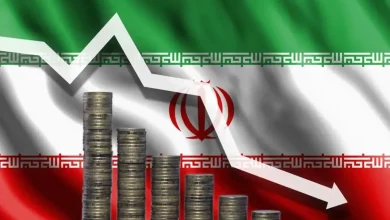
The inflation rate in Iran exceeded approximately 50% during 2026, with some estimates recording significantly higher levels during certain periods, leading to a sharp erosion of citizens’ purchasing power.
Official data indicate that annual inflation reached around 60% in some comparative periods, one of the highest rates recorded in the country’s history.
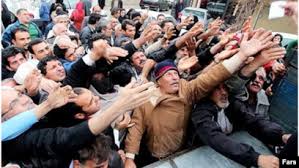
This significant rise in prices has directly impacted citizens’ lives, as basic goods, including food and medicine, have become unaffordable for a large segment of Iranians.
In the same context, the Iranian currency has experienced a rapid collapse, as the value of the rial declined against the US dollar at the end of 2025 and the beginning of 2026, after losing nearly half of its value within just one year.
This collapse was not merely an economic indicator, but a direct factor in igniting widespread waves of protests, particularly among the business community and the middle class, which were severely affected by price volatility and financial instability.
Unemployment rates also reflect the scale of the crisis. Estimates for 2026 indicate that between 2 and 2.5 million people are unemployed, with an unemployment rate ranging between 7.5% and 9%, according to data from the International Monetary Fund, while other estimates suggest much higher rates in certain sectors.
This is compounded by rising poverty levels, with previous estimates indicating that between 22% and 50% of the population lives below the poverty line, with this percentage trending upward amid the ongoing economic crisis.
However, economic figures alone do not fully capture the depth of the crisis, as these indicators are closely linked to foreign policies that have contributed to the depletion of national resources.
Engagement in regional conflicts and ongoing tensions with international powers have led to the imposition of stringent economic sanctions, reducing oil revenues and weakening the state’s ability to finance essential services.
Economic analyses suggest that these policies have resulted in a decline in foreign investment and reduced integration into the global economy, causing long-term losses in gross domestic product.
These policies have also shifted government spending priorities away from domestic development. Instead of directing resources toward improving infrastructure or supporting productive sectors, a significant portion has been depleted in military and security domains, which has been reflected in the deterioration of basic services such as healthcare and education.
Field reports indicate that vital sectors such as hospitals and schools have come under severe strain, particularly amid crises stemming from conflicts.
On the social level, these conditions have led to an unprecedented escalation in popular protests.
Waves of protests have erupted in more than 130 cities across the geography of what is referred to as Iran, primarily driven by deteriorating living conditions and currency collapse.
Major markets, such as the Grand Bazaar in Tehran, have also been closed due to economic instability, a traditional indicator of the depth of crises in Iran.
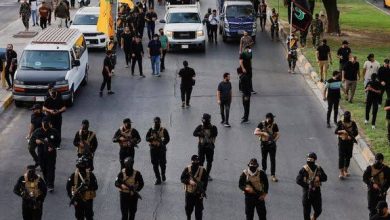
The crisis has not been limited to the economic dimension, but has extended into the political and human rights spheres. Recent reports indicate that authorities have resorted to widespread repressive measures to contain protests, including mass arrests and the issuance of death sentences.
The country has also experienced widespread internet shutdowns lasting for weeks, resulting in significant daily economic losses, particularly in sectors linked to digital work.
In addition, stringent security policies, including the proliferation of checkpoints and intensive surveillance, have contributed to creating a tense social environment, where citizens live between suffocating economic pressures and increasing political restrictions.
This environment has led to an erosion of trust between society and the state, reflected in a widening gap in political legitimacy.
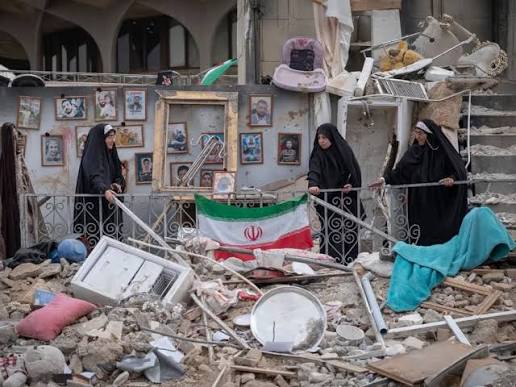
War and military tensions have also emerged as an additional factor deepening these crises.
Recent confrontations have led to the destruction of parts of infrastructure, disruption of economic activities, rising unemployment rates, and further inflation driven by supply chain disruptions.
The continuation of these tensions threatens to prolong the crisis and increase pressure on both the economy and society.
Economic, social, and political indicators for 2026 reveal that the policies adopted by Tehran, both domestically and internationally, have played a decisive role in deepening internal crises.
Rather than containing pressures, these policies have led to the accumulation and overlap of crises, creating a state of economic deadlock and social and political tension.
With these conditions persisting, it appears that the greatest challenge facing Iran lies not only in managing its crises, but in reformulating its policies in a way that balances domestic needs with external pressures.