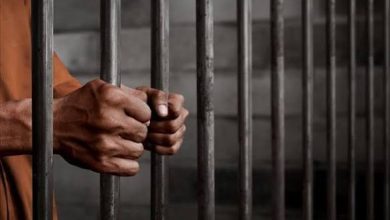
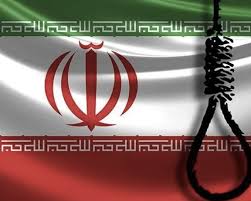
The death penalty in Iran constitutes one of the most controversial issues at both the human rights and political levels, not only because of the scale of executions compared to other countries around the world, but also because of the nature of the political and social context in which this punishment is practiced.
Over recent years, criticism directed at the Iranian authorities has intensified from international human rights organizations, which believe that executions have gone beyond the framework of traditional criminal punishment to become a tool used by the state to intimidate society, contain protests, and strengthen political control amid accumulating internal crises.
The roots of this controversy go back decades, but the issue gained greater momentum following the waves of protests witnessed in Iran since 2017, through the protests of 2019 and 2022, and continuing with the ongoing social and economic tensions in subsequent years.
This coincided with a noticeable increase in the number of announced executions, prompting international organizations to draw a connection between the expansion of executions and attempts by the authorities to send deterrent messages to society during periods of political tension.
According to reports issued by international human rights organizations, including Amnesty International, Iran ranked second globally after China in recent years in terms of the number of announced executions.
Documented data indicate that hundreds of death sentences are carried out annually, and the high rates of execution have continued amid warnings that the upward trend reflects a shift in criminal punishment policy rather than merely a response to rising crime rates.
The Iranian authorities claim that the implementation of death sentences is based on national laws and judicial rulings, particularly in cases of premeditated murder, drug trafficking, and crimes related to national security.
The government argues that the punishment constitutes a necessary means of maintaining stability and combating organized crime, especially given Iran’s geographical location, which makes it a major transit route for drug trafficking networks originating from Afghanistan.
The authorities also point out that sentences are issued through official judicial institutions and undergo stages of legal review.
In contrast, human rights organizations believe that a significant portion of executions cannot be separated from the political context.
These organizations base their position on sentences issued against defendants who participated in popular protests or were charged with offenses related to national security.
Some cases that ended with the implementation of death sentences following swift trials or amid allegations of extracting confessions under pressure have sparked widespread international criticism, including from the United Nations, the European Union, and a number of Western governments.
An analysis of the timing of many executions reveals a notable pattern represented by an increase in the pace of executions during periods of internal unrest.
Following the widespread protests that erupted after the death of the young woman Mahsa Amini in 2022, the country witnessed a wave of severe sentences against demonstrators and individuals accused of participating in acts of violence or harming public security.
Activists considered these sentences not merely judicial measures, but political messages aimed at deterring any future protest movements by increasing the cost of opposition and participation in demonstrations.
From the perspective of political sociology, public executions or those receiving extensive media coverage represent one of the tools of “fear management” that some regimes resort to when facing challenges related to legitimacy or internal stability.
This approach is based on demonstrating the state’s ability to employ the highest levels of punishment in order to strengthen psychological deterrence among citizens.
In the Iranian case, researchers believe that successive economic crises, rising inflation rates, declining purchasing power, and the widening gap between the state and segments of society are all factors that have made the authorities more sensitive to the possibility of new protests erupting.
The psychological dimension of executions is also not limited to the individuals against whom the sentences are issued, but extends to the surrounding social environment. Families, activists, and local communities are directly affected by the messages conveyed through these punishments.
Human rights specialists indicate that the repeated reporting of executions in official and semi-official media contributes to creating a climate of fear and caution, particularly among the groups most engaged in civil and political activity.
At the same time, there is no complete consensus regarding the effectiveness of this policy in the long term. While executions may achieve a temporary deterrent effect, historical experiences in different countries indicate that excessive reliance on harsh punishments does not necessarily address the deep-rooted causes of social tensions.
Some political studies even link escalating repression with increasing public resentment when security measures are accompanied by economic crises or unmet political demands.
At the international level, the increasing number of executions has contributed to intensifying human rights pressure on Tehran.
Repeated condemnations have been issued by the United Nations Human Rights Council and international organizations calling for a halt to the implementation of death sentences, particularly in politically charged cases.
The issue of executions has also become part of the broader discussion regarding Iran’s relationship with the international community and its human rights record.
Current indicators suggest that the controversy surrounding executions will remain strongly present in the coming years.
The continuation of economic pressures and social challenges may drive the authorities to adhere to a security-based approach, while human rights organizations continue to call for reducing the use of the death penalty or abolishing it.