
Between internal pressures and external repercussions, the iranian people are victims of the regime’s policies
over the past four decades, the iranian people have paid a heavy price for domestic and foreign policies characterized by tension, expansion, and conflict, which have directly impacted economic, social, and living conditions within the country. while the regime sought to consolidate its regional influence and strengthen its presence in complex international issues, the iranian citizen found themselves facing accumulating crises, ranging from inflation and unemployment to the decline of basic services.
economic data indicate that the inflation rate in iran exceeded 50.6% by mid-march 2026, marking a noticeable increase from 47.5% in the previous month, amid rising geopolitical tensions and sanctions. this is among the highest rates globally and has significantly eroded citizens’ purchasing power. the local currency (the iranian rial) has also lost more than 90% of its value over the past decade.
in the same context, poverty rates have risen sharply, with unofficial estimates indicating that more than 60% of iranians live below or near the poverty line, while around 30% suffer from extreme poverty. this is attributed to declining oil revenues due to international sanctions, in addition to poor economic management and widespread corruption. estimates suggest that losses to the iranian economy due to sanctions alone have exceeded 200 billion dollars since 2018, according to multiple economic assessments.
regarding foreign policies, iran has spent billions of dollars supporting its allies in the region. reports indicate that annual spending on external operations and support for armed groups ranges between 10 to 20 billion dollars, funds that could have been used to improve infrastructure and services within the country. meanwhile, vital sectors such as health and education suffer from underfunding, as government spending on the health sector does not exceed 5% of gdp, which is below global averages.
unemployment remains one of the most prominent challenges facing iranian youth, with the official rate exceeding 12%, while it reaches more than 25% among young people, according to some estimates. this reality contributes to increasing migration, as thousands of iranians leave the country annually in search of better opportunities, leading to a brain drain.
these conditions cannot be separated from the nature of internal policies characterized by a strict security grip that limits political and media freedoms. in recent years, iran has witnessed repeated waves of protests, most notably in 2019 and 2022, where hundreds of thousands took to the streets to protest living and political conditions. human rights reports indicate that hundreds were killed and thousands arrested during these protests, reflecting the level of tension within society.
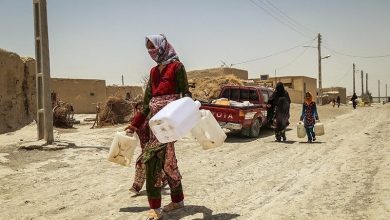
in addition, iranians suffer from recurring service crises, such as power outages and water shortages, especially in ahwaz, which is one of the richest oil regions, yet suffers from marginalization and weak development. reports indicate that around 20 million iranians face difficulties in accessing clean water regularly.
the iranian people have become the primary victims of domestic and foreign policies that have failed to achieve stability or prosperity, instead leading to greater isolation and economic pressure. while the leadership continues to adopt its current approach, the iranian citizen remains trapped in a cycle of crises, paying the price daily in their livelihood and future, amid the absence of real indicators of imminent change in public policies.