2026 report: how the revolutionary guard corps uses cryptocurrencies to finance militias
Amid intensifying military and diplomatic escalation, technical and intelligence reports for 2026 have revealed a fundamental shift in the Iranian regime’s strategy, whereby cryptocurrencies have become the hidden artery fueling its network of regional proxies to circumvent international “financial strangulation.”
A Parallel “Blockchain” Economy: $3 Billion to Finance Proxies
According to the 2026 Chainalysis report, digital transactions linked to the
Revolutionary Guard Corps (IRGC) and the Quds Force recorded a massive 162% surge, with the value of transfers through crypto addresses associated with the regime exceeding $3 billion in 2025 alone.
These currencies are no longer merely investment tools; they have evolved into a cross-border “alternative banking system,” through which hundreds of millions of dollars have been transferred to Hezbollah in Lebanon and Hamas via stablecoins such as (USDT) on the “Tron” network, owing to their difficulty to trace and rapid execution.
Intelligence reports have also documented the use of digital wallets by the Houthi group in Yemen to purchase drone components and military equipment beyond the reach of traditional banking oversight.
Iran also employs intermediaries and unlicensed trading platforms to sell sanctioned oil in exchange for cryptocurrencies, thereby securing immediate liquidity in digital dollars.
Washington and Tel Aviv have not stood idle. In early 2026, the U.S. Department of the Treasury (OFAC) launched a series of sanctions described as “the most aggressive digitally,” including blacklisting the platforms Zedcex and Zedxion (registered in the United Kingdom) on charges of facilitating $1 billion in transactions for the IRGC.
In April 2026, in cooperation with the company “Tether,” $344 million in stablecoin assets linked to addresses of the Central Bank of Iran were frozen.
Sanctions were also reimposed on businessman Babak Zanjani, who was described as having been released from prison specifically to manage the regime’s digital money-laundering networks.
Domestic Repercussions: IRGC Mining Plunges Ahwaz into Darkness
While the regime secures digital gains to finance its external wars, citizens at home particularly in Ahwaz are paying a heavy price.
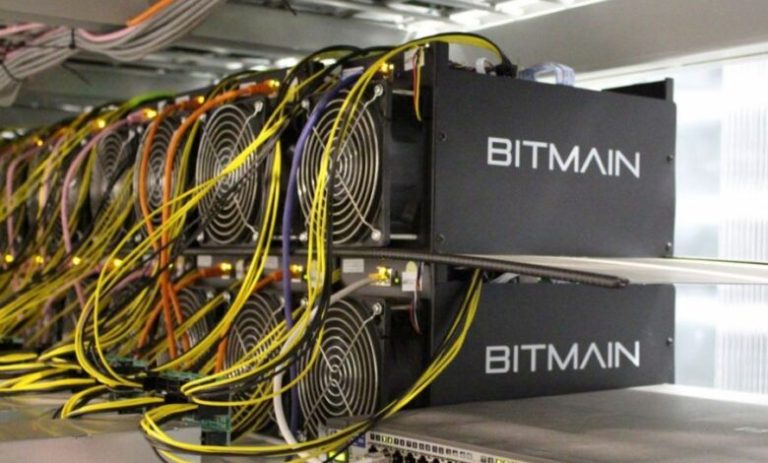
Cryptocurrency mining farms affiliated with the IRGC, which consume vast amounts of subsidized energy, have drained the national grid, leading to recurring power outages in villages and factories in Karun and Zahedan.
Following the U.S.-Israeli military strikes in February 2026 targeting energy infrastructure, Iran lost 77% of its Bitcoin mining capacity, with output dropping from 9 to 2 exahashes, effectively paralyzing this financial resource.
Iran’s excessive reliance on cryptocurrencies has created a state of “digital structural corruption,” whereby profits flow directly into the budget of the Quds Force and external operations, while the domestic economy suffers from hyperinflation and a collapse in the value of the rial.
Although “decentralization” provided Iran with a breathing space for years, the new international coordination between technology companies and governments has begun to tighten the noose around Tehran’s “black wallets,” transforming the technology from a tool of survival into a trap for financial tracking.