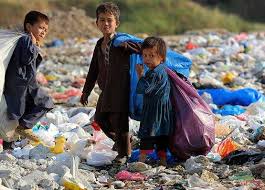
The phenomenon of child labor in Iran is considered one of the most concerning social and human rights issues in recent years, as it reflects the intersection of economic, political, and social factors that have pushed thousands of children into the labor market at an early age.
Although Iran has ratified a number of international agreements related to children’s rights, field indicators, reports by international organizations, and academic studies show the continued expansion of the phenomenon, raising serious questions about the effectiveness of government policies aimed at protecting children and ensuring their right to education, care, and safe development.
Official data cited by the United Nations Children’s Fund (UNICEF) indicate that Iran’s Social Welfare Organization estimated the presence of thousands of children engaged in various forms of labor, a figure that reflects the scale of the problem even according to limited official estimates.
The phenomenon of child labor in Iran is closely linked to the economic deterioration the country has experienced over the past decade. Rising inflation rates, declining household purchasing power, and increasing poverty rates have led a growing number of families to rely on children’s income to help meet basic needs.
Field studies conducted in several Iranian cities confirm that economic necessity is the primary factor driving children into the labor market, with approximately 85.8% of working children reporting that they work to help support their families.
The issue is not limited to simple or seasonal jobs but extends to strenuous and dangerous activities that directly affect children’s physical and psychological health. According to an academic study involving 856 working children in six Iranian cities, more than 75% work for over five hours a day, while their occupations are concentrated in street vending, waste collection, and street-related activities.
The study also showed that some children began working at extremely young ages, with some entering the labor market before the age of five.
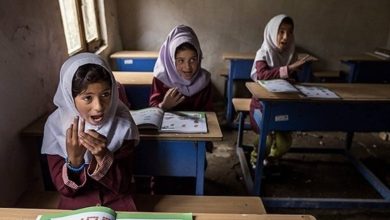
Dropping out of school is one of the most serious consequences of this phenomenon. The same study showed that approximately 32% of working children had completely left school, while others face significant difficulties in continuing their education due to long working hours and harsh living conditions.
This contributes to the perpetuation of poverty across generations, as children lose opportunities to acquire the skills and knowledge necessary to improve their future circumstances, making them more vulnerable to economic and social exploitation in adulthood.
The risks extend beyond the economic dimension to include broader humanitarian and human rights concerns, as children working on the streets are repeatedly exposed to violence, humiliation, and exploitation.
The findings of the field study indicate that working children faced harsh conditions, including hunger, insults, verbal and physical abuse, in addition to pressures associated with security pursuits and measures. More than half of the children participating in the study were not covered by any support programs or social interventions, while only 7% had received health awareness programs.
Criticism directed at the Iranian authorities centers on the lack of practical attention to children’s rights compared with the scale of the crisis. Despite the existence of official institutions concerned with social welfare, multiple reports and studies point to a clear gap between declared legislation and implementation mechanisms on the ground.
International organizations also confirm that working children continue to face major difficulties in accessing healthcare services, education, and social protection programs, reflecting the limited institutional response to the problem.
The crisis becomes even more severe among the most vulnerable groups, particularly the children of Afghan refugees and migrants. Data indicate that Afghan children constitute a large proportion of children working on Iranian streets, accounting for more than half of the sample included in the aforementioned study.
These children face compounded risks due to poverty and difficulties in obtaining education and basic services, making them more vulnerable to economic exploitation and employment in hazardous conditions.
When comparing the Iranian situation with global trends, the seriousness of the continued phenomenon becomes clear. While many countries have succeeded over the past two decades in reducing child labor rates through social protection programs and the expansion of compulsory education, the world still includes approximately 138 million working children according to the latest joint estimates by the International Labour Organization and UNICEF. However, the continued presence of large numbers of working children in Iran indicates that local efforts have not achieved comparable progress at the required level.
Development experts warn that neglecting this issue does not affect children alone but also extends to society and the economy in the long term. Increasing numbers of children leaving the educational system mean a future decline in human capital levels, while early exposure to exploitation and hard labor is associated with higher probabilities of chronic poverty, psychological and physical illnesses, and weak economic integration later in life. Therefore, combating child labor is viewed globally as a developmental investment rather than merely a human rights obligation.
The issue of child labor in Iran reveals a complex crisis in which economic pressures intersect with shortcomings in the social protection system and children’s rights.