
Structural dysfunction in the management of natural resources in Iran
The issue of resource management in Iran constitutes one of the most prominent indicators of structural dysfunction within the framework of economic and administrative governance.
Recent data for 2026 reveal a clear gap between the country’s substantial natural potential and the efficiency of its utilization.
The core problem lies in the absence of sustainable planning and the prioritization of political and security considerations over the scientific management of resources.
This issue becomes more complex when considering the geographic and demographic nature within the geography of what is referred to as Iran, which encompasses vast regions inhabited by non-Persian populations, adding an additional dimension related to how resources are distributed and managed across areas with diverse characteristics.
First: Mismanagement of Water Resources as a Stark Example of the Crisis
The water crisis in Iran is among the most severe manifestations of administrative failure.
According to recent 2026 data, the country is classified among the most water-stressed nations globally, with more than 80% of the population experiencing high levels of water scarcity.
Statistics also indicate that water inflows into reservoirs declined by approximately 39% during the 2025–2026 water year, while dam storage fell to around 17.6 billion cubic meters a sharply reduced level compared to previous years.
This crisis is not solely the result of natural factors, but also of unsound policies, most notably the unplanned expansion of water-intensive agriculture.
The agricultural sector consumes more than 80% of renewable water resources despite its limited productive efficiency.
River diversion projects and the unregulated drilling of wells have further contributed to the depletion of groundwater reserves, leading to a continuous decline in water levels, particularly in peripheral regions inhabited by non-Persian populations such as Al-Ahwaz, where complaints frequently arise regarding inequitable distribution and the absence of fairness in water resource management.
Second: Imbalanced Reliance on Oil Resources
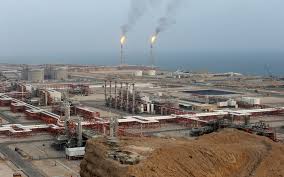
Despite possessing one of the world’s largest oil and gas reserves (which are obtained from Al-Ahwaz), the management of these resources suffers from clear structural imbalances.
In 2026, the government was compelled to allocate part of its oil revenues to rebuild damaged infrastructure, reflecting the fragility of economic planning and the absence of sufficient strategic reserves to confront crises.
Moreover, excessive reliance on oil as the primary source of income, without achieving genuine economic diversification, has rendered the economy vulnerable to external fluctuations.
Developments in 2026 demonstrated that any disruption in vital energy corridors is immediately reflected in national revenues, thereby weakening the country’s financial stability.
It is also noted that energy-producing regions, often located in non-Persian areas, do not benefit proportionally from these resources in terms of development and infrastructure, exacerbating issues related to resource management.
Third: Politicization of Strategic Resource Management
One of the most prominent manifestations of failure lies in transforming strategic resources into instruments of political pressure.
In 2026, there were moves to impose stricter conditions on navigation through vital maritime corridors in an attempt to secure rapid economic gains.
However, these policies produced counterproductive results, as confidence among some international actors declined, affecting trade flows and weakening the country’s position as a reliable energy transit route.
This approach reflects the absence of a clear separation between economic management and political considerations, leading to short-term decisions at the expense of long-term stability.
The impact of such policies is not distributed equally, as some peripheral regions bear additional burdens without being genuine partners in decision-making.
Fourth: Weak Efficiency of Infrastructure and Its Management
Infrastructure related to resource sectors, particularly water and energy, suffers from evident aging and deficiencies in maintenance and development.
Recent estimates indicate that several major dams are operating at less than 35% of their capacity, while some water facilities have filling rates not exceeding 10%, reflecting shortcomings in planning and water storage management.
The damage sustained by infrastructure during recent crises has also exposed the absence of effective preventive strategies, as the state has been forced to redirect substantial financial resources toward repairs rather than investing in long-term projects.
This weakness is more pronounced in regions distant from the center, which often experience delays in maintenance and modernization.
Fifth: Absence of Good Governance in Resource Management
Indicators show that the resource management crisis in Iran is not merely technical but fundamentally institutional.
Weak transparency, overlapping institutional authorities, and the absence of accountability have all contributed to escalating waste and misallocation.
Decision-making is often driven by short-term political considerations, with insufficient reliance on scientific studies or accurate data.
This challenge is further compounded by the geographic and demographic diversity within the geography of what is referred to as Iran, where effective resource management requires more balanced policies that take into account the specific characteristics of different regions, including non-Persian areas an objective that remains insufficiently realized under current conditions.
Recent data for 2026 reveal that the Iranian leadership’s failure to manage national resources is not the result of a temporary circumstance, but rather the outcome of accumulated unsustainable policies over time.
Between the severe water crisis, excessive dependence on oil, the politicization of strategic resources, and weak infrastructure, it becomes clear that the fundamental problem lies in the absence of a comprehensive vision for resource management.
The continuation of this approach threatens to erode the state’s economic capacity over the long term and undermines prospects for sustainable development.