Iran is facing in 2026 what may be the most dangerous economic turning point in its modern history, as the repercussions of regional wars intersect with structural economic policies that have deepened the poverty crisis and eroded citizens’ purchasing power to unprecedented levels.
Current indicators reveal a stark gap between the regime’s priorities in external spending and the worsening living conditions at home, amid academic warnings that the country is reaching a state of “full stagflation.”
Poverty Indicators: 40 Million Iranians in the Circle of Deprivation
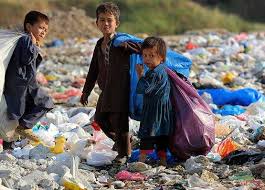
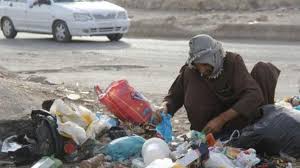
Economic estimates issued by Iranian experts and researchers indicate that the number of people living below the poverty line is expected to exceed 40 million this year.
This figure, representing a massive proportion of the country’s total population, comes as a direct result of inflation surges approaching 69%, alongside a dramatic rise in the prices of food and essential goods.
During a specialized meeting that brought together a group of economics professors, Dr. Hojjat Mirzaei, a faculty member at Allameh Tabataba’i University, warned that forecasts point to negative economic growth ranging between -8.8% and -10% in 2026.
Experts confirmed that this deterioration is not a recent development but rather the accumulation of years of mismanagement, international sanctions, and the maritime blockade that reduced Iranian oil exports to critical levels, thereby tightening pressure on the state’s available foreign currency resources.
Budget Priorities: Regional Security Before Citizens’ Security
Data show significant disparities in resource allocation. While the Iranian people suffer from an energy crisis and suffocating inflation, Tehran allocates enormous sums to external security and military affairs.
According to reports by international research centers, the official defense budget reached approximately $9.23 billion for the 2026–2027 period, a budget that does not include indirect support and secret funding for allied militias in the region.
Sources estimate that the regime continues to inject hundreds of millions, and sometimes as much as $2 billion annually, to support its regional arms, particularly Hezbollah in Lebanon and armed movements in the Palestinian territories, Iraq, and Yemen.
This spending is viewed domestically as a “drain on national resources” that could have been directed toward rebuilding infrastructure, creating new jobs, and supporting the local currency, the rial, which has lost more than 95% of its value since 2018.
The Labor Market: The Phenomenon of the “Working Poor”
Poverty in Iran is no longer limited to the unemployed but has expanded to include what is known as the “working poor.”
Hossein Rajabpour, head of the Saba Research Institute, indicated that labor market trends, which had shown slight improvement in the spring of 2024, shifted onto a negative trajectory following the outbreak of the recent wars.
Periods of unemployment in Iran are among the longest in the world, sometimes reaching three or four years, which helps explain the widening social gap. Even when an Iranian citizen secures a job, he often finds himself unable to meet his basic needs because inflation far exceeds wage growth.
Under these conditions, meat and essential goods have become “luxury items” for a broad segment of society.
Warnings of Unrest: Is the Boiling Point Approaching?
The Iranian Ministry of Intelligence recently warned that economic pressures and the sharp rise in prices could lead to new social unrest.
These warnings coincide with the deterioration of the national currency’s purchasing power, as the exchange rate reached historic record levels against the U.S. dollar, causing citizens to lose confidence in the rial and prompting them to seek alternative investment safe havens.
Gholam Reza Keshavarz Haddad, an academic at Sharif University of Technology, believes that the Iranian economy would have suffered from structural crises even without the impact of wars, but that the repercussions of the recent regional conflicts accelerated the pace of collapse, disrupted supply chains, and inflicted severe damage on industrial and oil infrastructure.
Conclusion: An Uncertain Future Under the Slogan of the “Resistance Economy”
In his message marking the new year 1405, the Supreme Leader introduced the slogan “The Resistance Economy Under National Unity,” yet economic realities indicate that the gap between official rhetoric and living conditions continues to widen.
With projections that an additional 4.5 million Iranians will join the ranks of the poor this year, the regime finds itself facing an existential challenge. While it insists on financing its “regional strategy” to secure external influence, it confronts at home a population burdened by relentless hunger and poverty.
The continued reliance on current policies, without fundamental economic reforms or political settlements that reduce the cost of external security expenditures, means that Iran is moving toward a scenario of “sustained stagnation” that could place the regime’s internal stability at risk, amid growing public discontent that no longer sees the “resistance economy” as a solution to its lost livelihood.