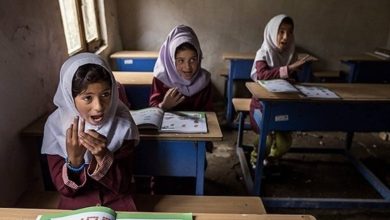
Teacher Shortages and Poor Infrastructure: A Deepening Crisis in Ahwazi Schools Under Iranian Rule
Schools in the occupied state of Ahwaz are facing a dire educational crisis due to decades of deliberate neglect by Iranian authorities.
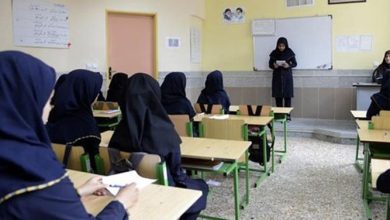
The educational system in the region suffers from a severe shortage of teaching staff, extreme overcrowding in classrooms, and a clear lack of infrastructure and proper school facilities especially in densely populated areas.
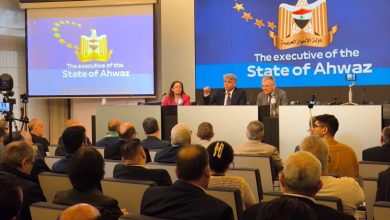
In this context, Nasser Alifar, Director General of Education in Ahwaz, stated during a press conference held on Sunday at the department’s headquarters that the challenges facing Ahwazi schools are primarily due to a continuous wave of teacher retirements without replacement, coinciding with an increasing student population driven by natural growth. This has led to abnormal overcrowding in classrooms.
Alifar noted that “the educational environment in many areas is no longer suitable for proper learning,” stressing that “the shortage of classrooms and lack of adequate support is worsening the quality of education and threatening the future of coming generations.”
These crises are a direct result of Iran’s policies, which have persistently marginalized Ahwaz and denied its people even the most basic rights, including the right to education.
This comes as part of a long-term plan to erase the Ahwazi identity and destroy the region’s infrastructure.
Activists and observers of the Ahwazi issue have called for urgent international action to pressure Tehran to end its ongoing violations against education in Ahwaz.
They warn that continuing on this path will lead to a humanitarian and educational disaster that endangers the present and future of the entire Ahwazi population.
It is worth noting that Ahwaz a resource-rich Arab state has suffered from systematic impoverishment and discriminatory policies since its occupation by Iran in 1925, affecting all aspects of life, with education being one of the most severely impacted sectors.