On the anniversary of the 2021 uprising: thirst strikes Ahwaz once again
Once again, the specter of thirst and the water crisis looms over the cities of occupied Ahwaz, in a never-ending scene that reflects a bitter reality of neglect and systematic marginalization by the Iranian occupation authorities.
While many areas suffer from repeated water cuts, the official audacity has reached the point of demanding that citizens purchase water tankers themselves a blatant admission of the Iranian regime’s failure to provide the most basic human rights.
The 2021 Thirst Uprising: When Ahwazis Chanted “I Am Thirsty… Water Is My Right”
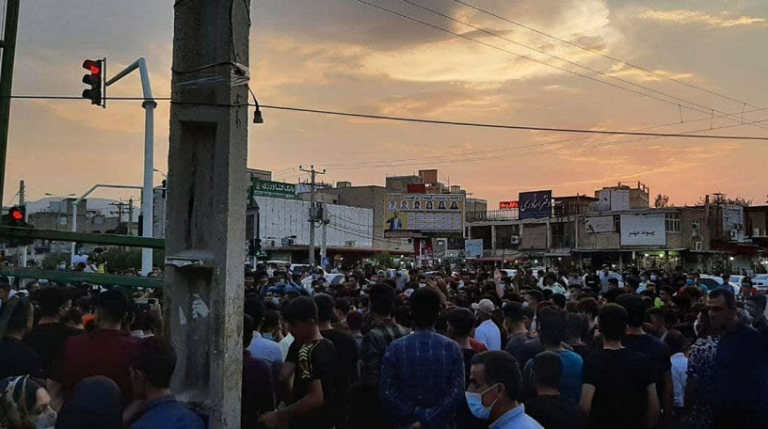
These days mark the anniversary of one of the bloodiest uprisings in the history of the Arab people of Ahwaz. In July 2021, thousands took to the streets in cities like Khafajiya, Ahwaz (the capital), Fallahiya, Ma’shour, Izeh, and Hamidiya, demanding their right to life and chanting:
“Where is our water?”
“I am thirsty; water is my right”
“Death to Khamenei”
“Death to the dictator”
But the Iranian occupation responded as always with bloody repression and live ammunition, just as they do whenever the Ahwazi people rise to demand dignity and basic rights.
Martyrs of Thirst: Those Who Carried the Cry of Life and Died for a Drop of Water
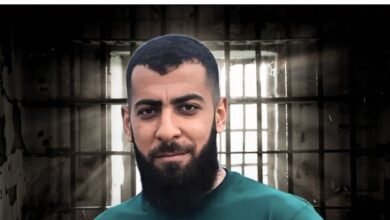
According to credible human rights organizations, at least 12 protestors were martyred by Iranian bullets during these demonstrations. Their names are:
Mostafa Na’imawi, 30 – Fallahiya/Ahwaz
Qasem Naseri (Khozairi), 17 – Kut Abdallah
Mohammed Shenani – Sus
Issa Baladi, 27 – Ma’shour
Mohammed Karoushat, 20 – Ahwaz (capital)
Omid Azarkhosh, 20
Hadi Bahmani, 17 – Izeh
Hamzeh Farsawi, 32 – Ahwaz
Meitham Acheresh, 20 – Ma’shour
Hamid Mojaddam (Jokari) – Jamran
Mohammed Abdullah – Izeh
Amir Meshari Abadi – succumbed to his injuries
Thirst as a Political Revolt Against Occupation
This uprising and the ongoing water crisis is not merely a service issue.
It is, and always has been, a political revolution against the Iranian occupation project, which for decades has exercised a policy of repression, discrimination, marginalization, and systematic plunder of natural resources especially water.
The clerical regime in Tehran does not manage crises; it manufactures them and drowns people in them sometimes literally.
The people of Ahwaz, in all their diversity, have paid the price for this oppression and continue to do so with their lives, dignity, and stolen rights.
The Thirst Uprising: A Milestone in an Ongoing Struggle
The July 2021 uprising was not a passing event or a moment of spontaneous outrage, despite its sincere and popular character.
It was the result of decades of deprivation, oppression, and exploitation a turning point in the long path of ongoing popular resistance in occupied Ahwaz.
Those days saw massive public participation, from cities to rural areas, and from Arabs to other ethnic groups reflecting a shared pain and a shared enemy: the repressive, colonial regime of the mullahs.
The Need to Keep the Memory Alive
Today, three years later, as the water crisis resurfaces, the memory of the martyrs of thirst must remain alive in the hearts of every Arab and every free human being not only to honor their pure souls but also as a driving force toward a future where life, water, justice, and freedom are guaranteed.
Remembering these protests is an act of resistance in itself a message that people will not forget those who died demanding a drop of water, and they will not remain silent as long as drought and oppression persist.