Imminent execution of Ahwazi activist Abbas Idris amid Widespread criticism
An international human rights organization has expressed deep concern over the fate of Ahwazi activist Abbas Idris, following the rejection by Iran’s Supreme Court of the appeal filed against his death sentence. Observers and activists described the case as “fabricated” and marred by “serious legal violations.”
Lawyer Fereshteh Tabanian stated in an official remark that she learned from the Court of Sentence Implementation in the city of Ma’shour that the death penalty has become final, without any official notification given to the defense team about the result of the appeal. She added that “the case has also been referred to the implementation court to enforce an additional sentence of ten years in prison.”
Tabanian explained that the defense team had earlier submitted a request for a retrial in a separate case against Idris on charges of “enmity against the regime,” which has not yet been decided.
Abbas Idris, who has been detained since December 8, 2019, was arrested along with his brother Mohsen Idris from the “Abu al-Fadl al-Abbas” headquarters in the city of Ahwaz, by agents of Iran’s intelligence services.
Idris faces a number of charges, including “premeditated murder,” “possession of weapons,” and “committing war crimes.” Human rights defenders consider these charges to be “politically motivated” and intended to silence Ahwazi activists.
Earlier, the Ma’shour criminal court issued a death sentence against Idris, which was later upheld by Branch 39 of the Supreme Court. He was also sentenced in a separate case to 14 years in prison, including ten years for “hostile acts against the regime” and four years for possession of weapons.
Although a temporary order to halt the execution was issued by Branch 9 of the Supreme Court following the request for a retrial, the court later reversed its decision and definitively rejected the request, making the execution imminent.
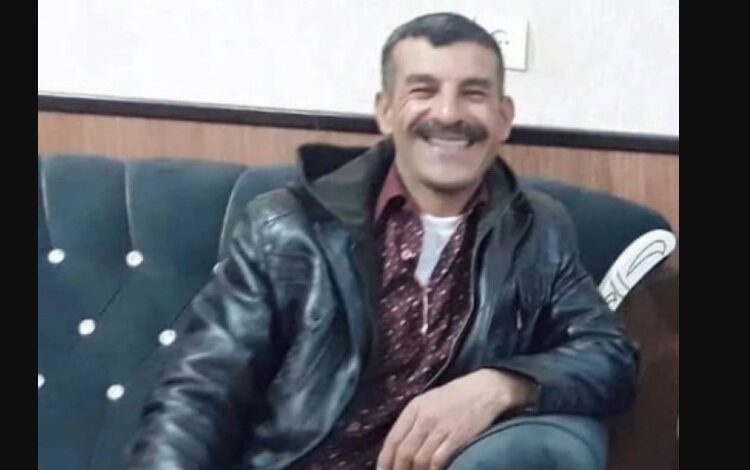
Abbas Idris, 52, is a father of three children. He has denied all charges against him, including allegations of participating in “sabotage activities” during popular protests in the city of Chamran.
Human rights organizations say Idris’s trial lacked the minimum standards of fairness and justice, stressing that “the sentence is part of an ongoing pattern by the Iranian authorities to suppress Ahwazi activists through sham trials and harsh rulings that are not based on real evidence.”