Al-Hawira women’s prison: horrific abuses and lack of basic healthcare
Human rights sources have warned of the continued severe and systematic abuses faced by women in Al-Hawira “Sepidar” Prison in occupied Ahwaz, where Iran’s authorities continue to impose harsh conditions on female inmates.
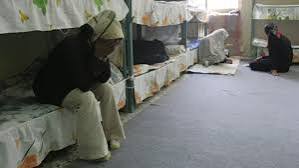
The prison, which houses women from diverse backgrounds, suffers from extreme overcrowding and high temperatures, in addition to a severe shortage of basic services such as water and electricity, posing a serious threat to the inmates’ lives.
Among the women detained in Al-Hawira Prison are civil activists, political prisoners, victims of domestic violence, and inmates facing criminal charges, turning the facility into a symbol of oppression and torture in Ahwaz.
According to testimonies from women who have been released, the women’s section suffers from appallingly poor sanitary conditions, with insufficient basic facilities such as beds, toilets, and showers to meet the needs of the large number of prisoners.
The lack of ventilation and the rising number of inmates further exacerbate their physical and psychological suffering.
In addition to the dire health conditions, the prisoners in Al-Hawira face a severe shortage of food and medical services. The food provided is often spoiled, with a serious lack of nutritional value, while medical care is almost entirely absent.
The prison’s sewage systems are in a deplorable state, with contaminated water leaking into the cells, exposing inmates to further health risks.
Reports indicate that many inmates in Al-Hawira suffer from infectious diseases such as AIDS and hepatitis, yet they are held with other prisoners without any preventive measures or specialized healthcare.
This medical neglect leads to the spread of diseases among the inmates, putting their lives at risk and deepening their suffering.