Al-Ahwaz: severe water and sanitation crisis in sheiban
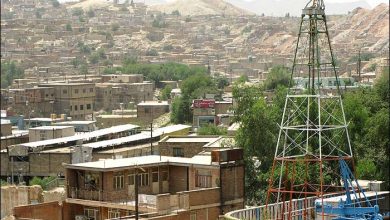
Residents of Sheiban, north of Al-Ahwaz city, have complained about a sharp deterioration in drinking water and sanitation services, amid what they described as “continuous marginalization and systematic discrimination” by Iran against Al-Ahwaz.
Several Ahwazi citizens said they are suffering from extremely low water pressure, especially in the villages of Bavi district, despite repeated promises by Iranian officials to implement development projects, without any tangible improvement on the ground.
The residents are demanding the urgent implementation of a vital water transfer line project, with a diameter of 315 mm and a length of 3 kilometers, aimed at reducing water pressure and improving supply for 35 villages served by the Umm al-Gharib treatment plant, which is no longer able to meet the daily needs of the population.
Ongoing Marginalization and Unfulfilled Promises
Residents believe that water and sanitation projects in deprived Ahwazi areas are not implemented at the same pace as in Persian regions, stressing that the deteriorating infrastructure is part of a broader policy of discrimination pursued by Tehran against the Ahwazi people.
While Iranian media speak of “urgent follow-up” on water and sanitation projects in the region, locals point to the extremely slow implementation and lack of seriousness, which has led to water contamination in some areas and the spread of skin and intestinal diseases among children.
Escalating Health and Environmental Risks
Sheiban residents warn that the continuation of this situation may lead to an environmental and health disaster, especially with soaring summer temperatures and rising water consumption.
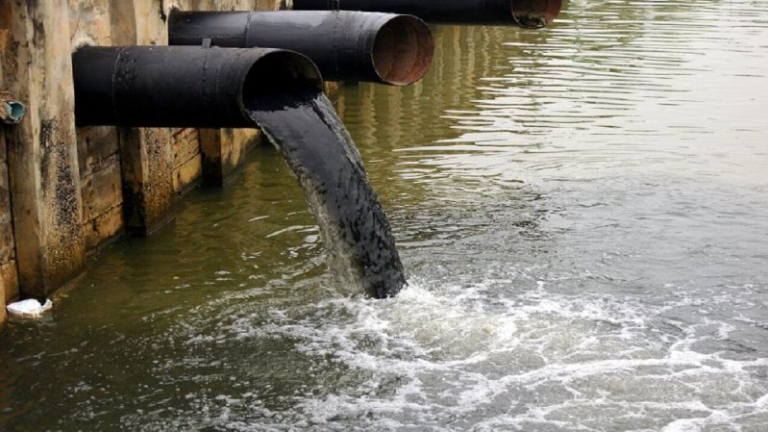
They also complained about sewage overflow in the streets, further aggravating their daily suffering.
The residents call on Iran, the international community, and human rights organizations to take immediate action to guarantee the Ahwazi people’s right to basic services such as water and sanitation, and to end the policies of neglect and discrimination practiced against them.