A water catastrophe threatens the Karun river: Iran diverts water and leaves Ahwaz to dry Up
Local sources and environmental activists in Ahwaz have revealed a worsening ecological disaster threatening the Karun River, the most vital water source in the region.
The crisis stems from Iran’s policies of diverting the river’s water deep into Persian provinces and constructing unplanned dams actions that disregard the environment and the rights of the Arab people of Ahwaz, leaving the local population to face deadly thirst and severe drought.
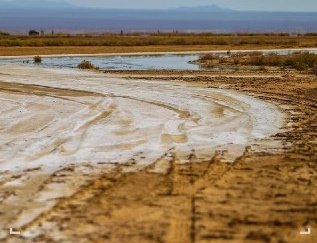
In recent days, the situation of the Karun River has deteriorated alarmingly. Large sections have completely dried up, and the stagnant water has caused a strong foul smell, reflecting the extent of deliberate neglect and destruction.
Local residents say water flow has been decreasing year by year, but this summer has brought the harshest conditions in decades.
From a Lifeline to a Shadow of Drought
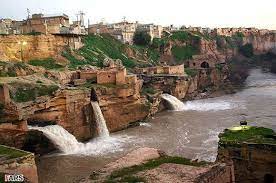
Once the most abundant river in Ahwaz and the broader Iranian geography, the Karun River is now suffering from a sharp drop in water levels.
This decline is due to the construction of dozens of unstudied dams and the ongoing diversion of water to Persian provinces such as Isfahan, Yazd, and Kerman systematic plans aimed at dismantling the ecological and economic infrastructure of Ahwaz.
An environmental activist stated: “The Karun River is not just a source of water it’s a part of the historical and social identity of the Ahwazi people. What is happening is an environmental and humanitarian crime masked by Iran’s false political legitimacy.”
Unplanned Dam Construction: A Core Cause of the Crisis
According to water experts, the haphazard dam-building is a major cause of the drought, especially as many of the dams are poorly located from an engineering standpoint. The resulting lakes behind the dams have significantly increased evaporation rates, leading to the loss of around 25% of the region’s water.
Over 90% of water resources in Ahwaz are used for agriculture, meaning any water loss directly affects the livelihoods and survival of the people.
Gotvand Dam: Iran’s Biggest Mistake
Among the most controversial projects is the Gotvand Dam, built near salt mines in Gachsaran. The project caused a 25% increase in the salinity of the Karun River and a sharp decline in water quality.
Located about 380 km from the river’s source, Gotvand is considered one of the most destructive projects, resulting in the loss of thousands of hectares of farmland and a rise in forced migration from rural areas to cities.
Worsening Conditions Across Other Rivers
Amid this crisis, activists have raised alarms about other projects like the Mandekan Dam and the ongoing deterioration of the Karkheh and Maroun rivers, warning that the environmental situation is spiraling out of control.
They urged Iranian authorities to immediately halt “source development” projects and to respect the rights of the Ahwazi people, particularly their right to water and life.
A Looming Humanitarian Disaster
Drought, agricultural collapse, forced migration, and rising unemployment are all direct results of Iran’s exploitation of natural resources threatening to turn Ahwaz into an uninhabitable region in the coming years.
Activists stress that what is happening to the Karun River is not a natural fate but a deliberate policy to dry out Ahwaz and starve its people.
They call on international organizations, especially environmental and human rights groups, to act urgently to prevent a full-scale catastrophe.