Iranian Police Chief: We Will Flay the Hired Servants of the Zionist Entity
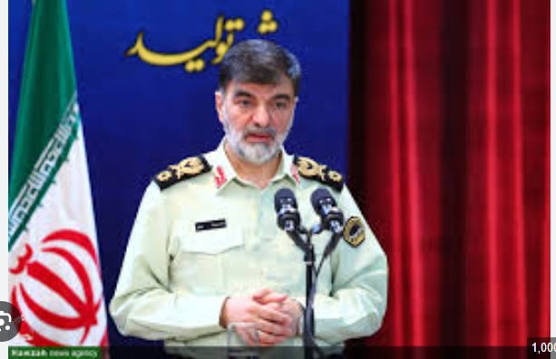
In a new escalation reflecting the Iranian regime’s growing anxiety over potential popular unrest, Commander-in-Chief of Iran’s Law Enforcement Forces, Major General Ahmad Reza Radan, issued a stern warning to those he described as “agents of the Zionist entity,” threatening severe punishment, including torture and execution.
In an official statement with an extremely harsh tone, Radan declared: “Our fingers are on the trigger, and we will show no mercy to those serving the Israeli occupation’s agenda inside the country.
We will flay their skins without pity,” a direct indication that authorities intend to respond with maximum violence against those accused of espionage.
These remarks come amid intensified claims by Iranian security services of apprehending “agents” linked to Israel’s Mossad.
Observers view these repeated allegations as a deliberate tactic to instill fear and deter any form of protest or demonstration, especially against the backdrop of a deepening economic crisis and rising public discontent across the geography of what is officially called Iran.
In this context, human rights reports indicate that Iranian authorities have increasingly labeled citizens from various ethnic and regional backgrounds particularly in non-Persian areas as “spies” or “traitors” in recent years.
This pattern appears to be a systematic justification for mass arrests and repression.
The regime has carried out numerous executions of those it accuses of betrayal some publicly, others in secret prisons without fair trials.
General Radan further stated that “about 90% of successful counter-espionage operations result from citizen reports,” which activists interpret as a method of turning ordinary people into internal informants, further deepening an atmosphere of suspicion and fear.
He concluded by saying: “If there is any failure in the security apparatus, I will take full responsibility.” However, Iranian opposition voices argue that such rhetoric is part of a broader policy aimed at silencing dissent and solidifying security control in the face of worsening crises that threaten the regime’s stability from within.