Susa… A City of Civilization and History in the Heart of Ahwaz
In the heart of Ahwaz stands the city of Susa, majestic like an open book narrating the story of human civilization for thousands of years. Susa was never just a passing city in the course of history; it was a political, cultural, and spiritual center where Elamite civilizations flourished, leaving their eternal marks in the form of palaces, temples, shrines, and walls that still resonate with time and summon the memory of nations.
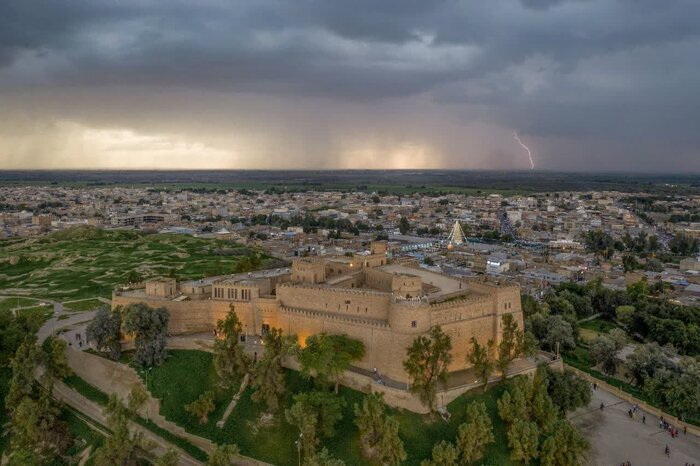
During the recent Tourism Week, Susa became the focus of visitors and heritage enthusiasts, as special ceremonies were held at the French Castle, built more than 120 years ago by a French archaeologist.
The scene was deeply symbolic, as the sound of the bell blended with the footsteps of attendees on the city’s soil, as if awakening a buried memory and reaffirming that Susa remains alive and beating in the conscience of history.
Susa is not just silent ruins; it is a city embracing stories and legends. There stands the great palace of Apadana, built by King Darius the Great, with its majestic columns and decorations that reflect the power of the ancient empire.
Nearby rises the Ziggurat temple, one of the oldest and grandest temples in the world, which still carries the secrets of Elamite religious rituals. It was recorded as the first archaeological site in Ahwaz on the UNESCO World Heritage List.
On the outskirts of the city stretch the ancient burial mounds, hiding within their layers the secrets of early architecture, where the first vaulted arch in history was built standing as testimony to the genius of early mankind.
As a visitor wanders through the old quarters of Susa, they will sense the fragrance of Islamic eras through the ancient grand mosque and stop at the Iwan of Karxa, which reflects city planning during the Sassanid era.
The shrine of the Prophet Daniel (peace be upon him) is also a prominent spiritual destination, where thousands visit his tomb each year, making the city a meeting point between worldly history and spiritual legacy.
Not far from these landmarks, the French Castle emerges as a symbol of the colonial era of archaeological excavations. Built in a medieval style, it served as a fortress to protect discoveries. Beside it stands the Susa Museum, housing rare artifacts spanning six thousand years from cuneiform inscriptions and statues of ancient deities to musical instruments and everyday objects that reveal how humans lived on this land since the earliest times.
But Susa is not only about stone history; it is also rich natural geography.
On its outskirts lies the Bamdej wetland, a natural reserve covering thousands of hectares and home to dozens of species of birds, animals, and plants, creating a magnificent tableau of biodiversity. The Shavour River has been the city’s lifeline for thousands of years, irrigating fields and orchards and giving Susa its green agricultural character.
Today, when one visits Susa, they find themselves in a city that blends the fragrance of the past with the spirit of the present, history with spirituality, monuments with rivers. It is not merely a city in Ahwaz, but an open-air museum of human civilization, standing as witness to the greatness of what once was and the challenges of what is. Thus, Susa remains the heart of tourism in Ahwaz and a global destination for all who seek the roots of history and the glow of civilization.